After a European PhD on the humanization of the N-glycosylation of recombinant monoclonal antibodies produced in transgenic plants, Dr Muriel Bardor spent two years as a post-doctoral research fellow at the University of California San Diego, USA. There, she worked on the sialic acid biology in mammalian cells in Pr Ajit Varki’s glycobiology lab. In 2003, she has been appointed as an Associate professor at the University of Rouen in plant glycobiology. She performed a two years oversea period working from 2010 to 2012 as the Head of the Bioprocessing Technology Institute Analytics group in Singapore where she developed analytical methodologies to characterize finely biopharmaceuticals including biosimilars produced in Chinese Hamster Ovary Cells. Back at the University of Rouen Normandy as a professor and junior member of the Institut Universitaire de France 2014 and deputy director of the GlycoMEV laboratory, she developed a technology aimed at using microalgae to produce recombinant proteins, including antibodies. This technology is now industrialized and exploited by Alga Biologics, the Normandy-based start-up she co-founded in November 2021 and of which she is currently president and scientific director.
Pr BARDOR Muriel has published more than 100 publications, 7 patents, given more than 40 invited talks and seminars and has developed a large network of national and international collaborations. She led national and international scientific projects (e.g. ANR KBBE, IUF, H2020…), coordinated research collaborative agreements with private institutions (MEDICAGO Inc., Agilent Technologies, SAMABRIVA…). Bonus awards for PhD supervision and excellence in science (PEDR) have been attributed to her since 2006. In 2014, she has been appointed as a junior member of the “Institut Universitaire de France” (IUF) thus reflecting the excellence of the science that she is leading.
Gregory Batt is a senior research scientist at Inria. He studied molecular and cellular biology and computer science at the Ecole Normale Supérieure de Lyon. He received his PhD in computer science in 2006. After a postdoctoral stay at Boston University, he joined Inria in 2007. Since 2017, he leads the InBio team, an Inria/Institut Pasteur joint research group. InBio focuses on two main applications: understanding how pathogenic bacteria escape antimicrobial treatments and improving bioproduction by better understanding yeast cell physiology. These questions are investigated using quantitative approaches and data-rich experimental methods.
Guillaume Boissonnat-Wu is CEO and co-founder of Pili, a pioneering industrial company in the production of sustainable bio-based dyes and pigments. A graduate of École Polytechnique and holding a PhD in organic chemistry from ESPCI Paris and Sorbonne University, he joined Pili in 2016 to structure and deploy the company’s scientific and industrial strategy. He leads the development of innovative processes combining fermentation and chemistry to produce aromatic compounds and bio-based indigo on an industrial scale. Under his leadership, Pili has raised over €35 million, consolidated its R&D and industrial infrastructure across four sites in France, and strengthened its position as a key player in sustainable chemistry.
As an associate professor of microbiology and molecular biology at the University of Picardie Jules Verne (UPJV, Amiens, France), I conduct my research at the UMR-T BioEcoAgro. My research focuses on three main areas: (i) The production of specialized metabolites from plants and filamentous fungi, the characterization of their biological properties (antioxidant, antimicrobial, safety), and the determination of their biosynthetic pathways; (ii) The valorization of co-products from the agri-food industry through fungal fermentation for the production of molecules of interest and/or eco-conceptualized biomaterials; (iii) The use of these specialized metabolites in the formulation of bioactive films based on bio-based polymers for applications in food preservation, cosmetics, or biocontrol.

Dr. Cruz’s research focuses on bioprocess digitalization, model-based tools for biotechnology and biopharma, High Throughput Bioprocess Development, and autonomous biolabs. In the recent years his research has pushed the integration of model-based methods and High Throughput experiments to accelerate bioprocess development. The work of the group is driven by the belief that robotic systems require sophisticated AI tools, models, and algorithms to fully harness their potential in bioprocess development and biomanufacturing.
Clément Dince is Partnerships & Business Director at SEQENS Biotechnologies, a company specializing in the development and commercialization of sustainable custom ingredients leveraging precision fermentation and biocatalysis. He holds an engineering degree in chemistry and chemical engineering from CPE Lyon, and a PhD in biochemistry from ETH Zurich (the Swiss Federal Institute of Technology in Zurich). He joined SEQENS in 2023 to drive business strategy across multiple markets, including cosmetics, pharmaceuticals, and food. He plays a key role in engaging with industrial, academic, and scientific networks to accelerate innovation, while coordinating cross-functional teams from R&D to manufacturing.
Franck Dumeignil earned his PhD in 1998 from the University of Lille. He then spent 6.5 years in Japan: first as a postdoctoral researcher at the National Institute of Materials and Chemical Research (Tsukuba), followed by a postdoctoral contract at Tokyo University of Agriculture and Technology, where he was later appointed Associate Professor. Upon returning to France, he joined the University of Lille as a Full Professor.
In 2010, he was appointed Deputy Director, and then Director in 2016, of the Unit of Catalysis and Solid State Chemistry (UCCS). He coordinated the EuroBioRef program (FP7, 29 partners, 15 countries, €38 million, 2010–2014) and the REALCAT project (advanced high-throughput technologies platform for biorefinery catalysts design, €8.3 million). He also led the H2020 PEARL doctoral program (2019–2025, €4.8 million).
Since 2022, Franck Dumeignil has served as Vice-President for Valorization and Science-Society Link at the University of Lille. In this role, he coordinates the University Innovation Hub (PUI Lille – Valorization of Research, Entrepreneurship, Transfer Experts of Knowledge & Science), which was awarded €4 million of national funding in 2023 to foster innovation and technology transfer in the Lille ecosystem.
He has co-authored 212 scientific articles, 52 patents (including extensions), and delivered over 450 presentations at national and international conferences, including 60 invited talks. He is also a co-founder of two spin-off companies: TEAMCAT Solutions (2016) and BKB Chemicals (2021).

Lilian Favacho Rodrigues is a Chemical Engineer with a European Master’s degree in Biorefineries. She has developed expertise in R&D across the energy and thermochemical processing sectors, as well as in the valorization of biomass and industrial co-products for the production of bio-based molecules and ingredients. She joined B4C (Bioeconomy For Change) to support the cluster’s members in addressing their innovation challenges through strategic studies, technology scouting, and market analysis. Within the Studies & Consulting team, she contributes to projects related to industrial biotechnology, sustainable ingredients, bioprocesses, and the bioeconomy, helping companies identify innovation opportunities and build collaborative partnerships.
Dr Alex Fedorec is a Lecturer in Computational Biology in the Division of Biosciences at University College London, where his group integrates computational modelling, synthetic biology, and microbial ecology to accelerate the creation of novel biological systems. His work focuses on the design and control of synthetic microbial communities by building predictive, data‑calibrated models and applying the tools of molecular and microbiology. Dr Fedorec earned his PhD in Synthetic Biology before completing post-doctoral research at UCL, always at the interface of microbiology, engineering, and mathematics. His publications span theory and application—from applying advanced machine learning approaches for the design and control of biological systems, through to the engineering of microbes for biotherapeutic and bioprocess applications, to recent advances in digital bio-computation. Before academia, he worked as a software engineer at Research in Motion (now BlackBerry), experience that informs his group’s emphasis on agile development, reproducible analytics, and robust tools. Dr Fedorec co‑founded the London SynBio Network to connect researchers and catalyse early‑career collaboration, was one of the first “rising star” speakers selected for the Synthetic Biology Young Speaker Series (SynBYSS), and has been invited to advise the UK Government Office for Science and Nuffield Council on Bioethics on the future of Engineering Biology.
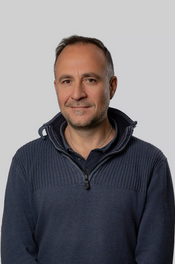
Jean-Sébastien Guez is a biotechnologist at Institut Pascal (Université Clermont Auvergne / CNRS / Clermont Auvergne INP). He obtained his PhD in biochemical engineering and applied microbiology at the Université de Lille and his Habilitation to Supervise Research at the Université Clermont Auvergne. He works to understand, develop and control bioprocesses for producing high value-added molecules. The main fields of application are agri-food, pharmaceuticals and energy. He is co-author of more than 35 scientific publications, 80 international communications and 2 patents. Always interested in adding value to his research work, he joined forces with the company LipoFabrik, created in 2012, and is co-founder of the start-up BioUpp since 2024.
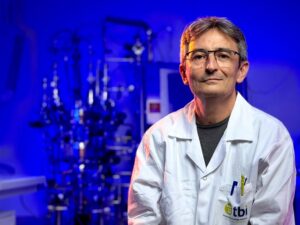
Stéphane Guillouet is professor of biochemical and metabolic engineering at INSA Toulouse. A graduate in industrial microbiology from the engineering school of the University of Marseille in 1989, he obtained his doctorate in biotechnology and food industry in 1996 from the Laboratory of Chemical Engineering Sciences (INPL-Nancy). He then specialized in metabolic engineering at the Massachusetts Institute of Technology (Massachusetts, USA) for three years. For ten years, he led the « Fermentation Advances and Microbial Engineering » research team at the Toulouse Institute of Biotechnology (TBI, Toulouse, France). At TBI, his research focuses on improving the performance of autotrophic microorganisms by modulating their metabolic potential and engineering bioreactors. He thus contributes to the development of advanced gaseous fermentation and autotrophic bacteria as platforms for the production of molecules of interest.
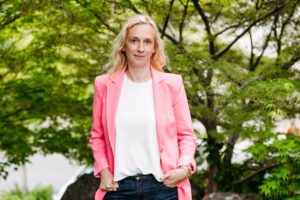
Petra Heidinger is an area leader at acib, the Austrian Centre of Industrial Biotechnology, and an expert in gas fermentation, CO₂-based bioproduction, and the physiology and metabolic engineering of Cupriavidus necator. Her work focuses on developing sustainable microbial processes that convert single-carbon gases into valuable chemicals, fuels, and materials.
She has made significant contributions to optimizing autotrophic growth and characterizing carbon and energy fluxes in gas-fed fermentations, improving cell growth and productivity under H₂/O₂/CO₂ conditions, and establishing robust fermentation strategies for industrially relevant settings.
A central part of her contribution is the development of a genetic toolbox for C. necator, incorporating plasmid systems, tunable promoters, and genome engineering protocols. These tools expand the organism’s synthetic biology capabilities and enable controlled expression of native and heterologous pathways for converting CO₂ into valuable compounds.
Through this work, Petra plays a key role in advancing next-generation gas fermentation platforms and positioning C. necator as a versatile chassis for climate-beneficial bioprocesses.
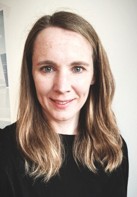
Anna-Lena Heins studied biotechnology at Technical University Braunschweig with specialization in applied molecular biology and bioprocess engineering. Then, she did her Ph.D. at Technical University Denmark (DTU) investigating phenotypic population heterogeneity in bioprocesses with Saccharomyces cerevisiae and Escherichia coli. After 1 year PostDoc at DTU in collaboration with Chr Hansen, she worked for 1,5 years in industry at Octapharma in Springe (Germany) as specialist for statistics and trending. Moving back to academia, she was for 6,5 years group leader at Technical University of Munich investigating phenotypic population heterogeneity bioprocesses at different scales. Since 2023 she is professor for bioprocess engineering heading the institute of bioprocess- and biosystems engineering at Hamburg University of Technology. Her research focuses on knowledge-based scale-up of bioprocesses and development of high-yielding, robust and self-sustaining bioprocesses. The institute is investigating microbial bioprocesses as well as cell culture processes.

Christoph Herwig, bioprocess engineer from RWTH Aachen and obtained a PhD in bioprocess identification at EPFL, Switzerland. From 2008 to 2023, he was full professor for biochemical engineering at the Vienna University of Technology. The research area focused on the development of data science methods for integrated and efficient bioprocess development along PAT and QbD principles for biopharmaceuticals. During his employments in various industries, such as with Lonza, he was deeply involved in the design and commissioning of large chemical and biopharmaceutical facilities. In 2013 he founded the company Exputec, which is now part of Körber Pharma, pioneering data science software solutions for the biopharma life cycle. Here, Christoph currently also acts as senior scientific advisor for Körber. In parallel he is serial entrepreneur catalysing bioprocess intensification and continuous bioprocessing using digital twins and control in various emerging organizations.
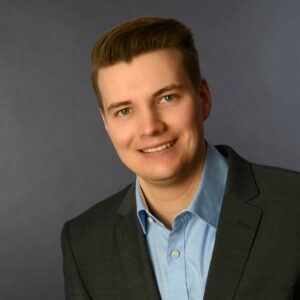
Eric Hiller is a postdoctoral researcher in the Department of Bioprocess Engineering at the University of Hohenheim, Germany. He recently defended his dissertation in April 2026, focusing on bioprocess modeling for Bacillus subtilis cultivations and surfactin production.
His current research focuses on foam fractionation for in situ surfactin recovery, including the operation and modeling of foam column-based separation processes. Before joining the University of Hohenheim in December 2022, he studied Bioengineering at the Karlsruhe Institute of Technology (KIT), where he completed both his Bachelor’s and Master’s degrees.
Dr. Nabila Imatoukene joined the ABI Research Unit (URD ABI) at AgroParisTech in September 2019 as a Research Scientist in Biotechnology. She earned her Ph.D. in Industrial Process Engineering from the Université de Technologie de Compiègne in 2017 and completed a postdoctoral fellowship in the same laboratory in 2018. Her research focuses on the biotechnological production of high-value-added compounds through submerged fermentation processes using yeasts, bacteria, and fungi. These compounds include carboxylic acids, p-hydroxycinnamic acids, polyunsaturated fatty acids, and biopesticides. She currently coordinates the ANR MilliStyrène Project. She has supervised seven doctoral candidates, including three ongoing Ph.D. projects, as well as more than 20 engineering, master’s, and technical diploma students.
She is the author of 17 peer-reviewed articles published in international scientific journals, co-inventor of two patents, and contributor to a book chapter.
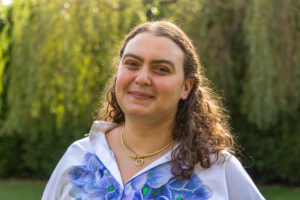
Yasmine Jerad holds a Master’s degree in Cellular Biology, specializing in Vectorology, Virology, and Immunology. During her academic training, she developed a strong understanding of host–pathogen interactions and immune mechanisms, complemented by research experience in immunology.
Combining a scientific background with expertise in communication and innovation, she is currently working at iMEAN and contributes to the development of partnerships and collaborative projects within the biotechnology and bioeconomy sectors. Her work focuses on fostering innovation, supporting technology transfer, and promoting sustainable solutions.
After obtaining a PhD in Bioengineering from the University of Liège Belgium, focused on understanding the physiological responses of microbial cell factories under industrial bioreactor conditions and scale-up constraints, Tambi KAR pursued research activities at the interface of microbiology, bioprocess engineering, and industrial biotechnology.
During his academic career, he worked on microbial physiology, bioreactor monitoring using flow cytometry, and the development of bioprocesses for enzyme and bioethanol production from microbial and renewable feedstocks. His research resulted in several peer-reviewed publications and presentations at international conferences.
He subsequently transitioned to industrial biotechnology, joining Lipofabrik, where he managed European collaborative projects focused on the development and optimization of fermentation processes for the production of high-value biomolecules, including lipopeptides. His responsibilities encompassed upstream process development, process modelling, scale-up strategies, technology transfer, and process optimization in collaboration with industrial and academic partners.
Since 2022, he has served as fermentation R&D manager at GALACTIC (Belgium), leading the development and optimization of microbial fermentation processes for sustainable bio-based products. His expertise includes process intensification, technology transfer to pilot and industrial scales, and the implementation of innovative solutions to improve process robustness, productivity, and industrial performance. He currently leads multidisciplinary R&D projects and manages a team of researchers dedicated to advancing fermentation technologies for industrial biotechnology.

Michael is a Partner in Sofinnova Industrial Biotech Strategy. He joined us in 2013. His primary focus is on identifying early-stage deals in Europe and North America with applications ranging from chemicals, materials, agriculture, food, feed, and synthetic biology.
Michael is or has been on the Board of Directors of Afyren, Elicit Plant, Meiogenix, Enginzyme, Microphyt, Verley, and EnobraQ. He also served for two years as the CEO of EnobraQ, a Sofinnova Partners Green Seed Fund portfolio company.
Michael came to biotech and venture capital via science and consulting. Before joining Sofinnova, Michael spent six years in industrial biotech start-ups, in senior business development roles. He also worked in a consulting firm advising companies on strategic R&D and organizational issues. Michael is an engineer who graduated from Ecole Polytechnique in Paris and holds a PhD in organic chemistry from Paris X Orsay University.
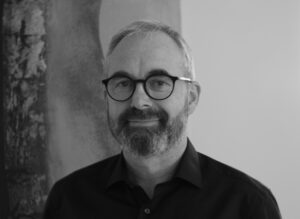
Claus Lattemann is the Corporate Director of Fermentation in R&D and the Head of the Center of Excellence for Fermentation Process Design at the Lesaffre Institute of Science & Technology (LIST) at Lesaffre International, located in the Marcq-en-Baroeul headquarters close to Lille, France.After beginning his professional career at a biotech startup, where he was involved in developing innovative bacterial vaccine carriers, Claus then joined the Sanofi group in Frankfurt Höchst, where he held various positions in pharmaceutical bioprocess development. His focus was on manufacturing process development for clinical development and commercial production of recombinant proteins in microbial systems, as well as for natural products.In 2013, Claus relocated to France, where he took on global leadership roles in Sanofi’s CMC organization. In this capacity, he led international teams in the life cycle management of API manufacturing processes for fermentation products and small molecules. During this time, Claus initiated several key programs, including those in synthetic biology, biocatalysis, and the implementation of a platform for directed evolution of enzymes. Prior to joining Lesaffre, Claus served as the Head of Process Development at Euroapi, a Sanofi spin-off company focused on generic API manufacturing and CDMO services.Claus holds a degree in Biology from the University of Tübingen and a PhD in Microbiology from the Max-Planck Institute of Biology and the University of Tübingen.
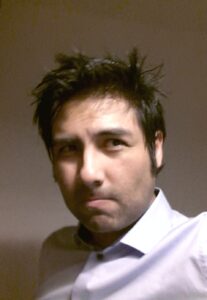
Enver Felix Loayza Mora is a second-year PhD candidate in Materials Science at the Institute of Nanotechnology and Biobased Materials of the Technische Universität Bergakademie Freiberg (Germany). His research highlighted the integration of droplet microfluidics and laboratory automation for high-throughput bioprocess screening and optimization. Currently, his focus is on microalgal systems and the development of novel biomaterials compatible with bioprocesses.
He completed a five-year Bachelor’s degree in Food Industry Engineering at the Universidad Católica de Santa María (Peru), after which he obtained his professional Engineer title following one additional year of qualification. Subsequently, he obtained a B.Sc. in Molecular Biotechnology from the University of Bielefeld and an M.Sc. in Biotechnology from the Technische Universität Berlin.
He is the author of a critical review on droplet microfluidics and laboratory automation for high-throughput screening in biotechnology. He has also participated in bioprocess-related conferences, presenting poster contributions at the Zsigmondy-Kolloquium and at PhD conferences at the Technische Universität Bergakademie Freiberg. His professional qualification as Food Industry Engineer was recognized by the Chamber of Engineers of Saxony in Germany.
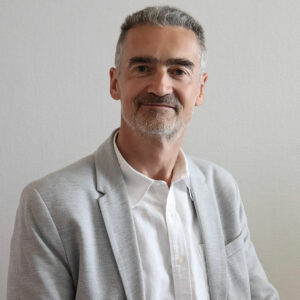
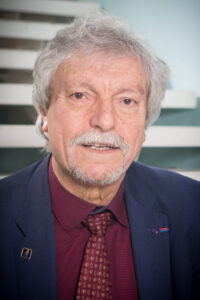
Pierre Monsan (77) est Professeur émérite à l’INSA, Université de Toulouse et ancien professeur de l’Ecole des Mines ParisTech (1993-2016). Il est membre de conseils d’administration et de conseils scientifiques d’entreprises. Il est membre Senior de l’Institut universitaire de France (2003-2013). Il a créé en 2012 le démonstrateur préindustriel « Toulouse White Biotechnology » (UMS INRA/INSA/CNRS), doté de 20 M€ par l’ANR. Il a été directeur général de la société Cell-Easy (Campus Santé du Futur, Toulouse), CDMO spécialisée dans le domaine des Biothérapies (2019-2024). Il est co-fondateur des sociétés BioEurope (1984àGroupe Solabia), BioTrade (1996-) et Génibio (1998àGroupe PiLeJe), membre fondateur de l’Académie des Technologies et membre de l’Académie Nationale d’agriculture. Il est membre de l’« Innovation Board » du Ministère bulgare de l’innovation et de la croissance (2020-), membre du « College of Fellows » de l’American Institute for Medical and Biological Engineering (AIMBE), Docteur Honoris Causa de l’Université de Liège (Belgique) et de l’Université de Plovdiv (Bulgarie), Président Honoraire fondateur de la Fédération Française des Biotechnologies, et ancien membre du Conseil Exécutif de la Fédération Européenne de Biotechnologie (EFB). Il a présidé le CCRRDT Midi-Pyrénées (2004-2015). Il est Chevalier du Mérite et de la Légion d’Honneur, et Officier des Palmes Académiques. Son domaine scientifique est celui de la catalyse et de l’ingénierie moléculaire enzymatiques. Il est l’auteur de plus de 250 publications scientifiques, de trois ouvrages et de 65 brevets. Son facteur H est 54. Ses domaines de compétence sont la Biocatalyse, les Biotechnologies industrielles et les Biothérapies.
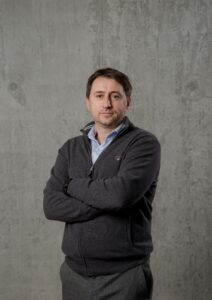
Ildar works as the Vice-President of corporate R&D coordination at Lallemand Inc. which is specialized in development and production of microbial cultures and their derivatives. In this capacity, he oversees the strategic direction of R&D initiatives while also managing Lallemand’s European corporate R&D teams. He also represents Lallemand in various international academic and industry organizations with mandate to facilitate knowledge exchange and foster external cooperation toward achieving organizational goals.
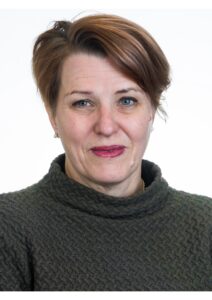
Lisbeth Olsson works in Industrial Biotechnology focusing on design and use of enzymes and microorganisms in processes where plant cell wall material is converted to fuels, chemicals, material, food ingredients and pharmaceuticals. An important driving force for her in research is to contribute to sustainable solutions for the bioeconomy. We develop and apply different tools to gain detailed understanding of the enzymes and microorganisms we work with and to study how they interact with natural and industrial substrates and environments. One key topic is to understand the robustness of microorganisms and to develop tools to study it in detail and transfer the knowledge to gain bioprocesses. Read more at: https://www.chalmers.se/en/departments/life/research/industrial-biotechnology/olsson-group/
Lisbeth Olsson is professor in Industrial Biotechnology, joined Chalmers in 2008. Her PhD degree is from 1994 in Applied Microbiology at Lund University. 1994-2008, she worked at the Technical University of Denmark. She is codirector and PI in Wallenberg Wood Science Center, a research center aiming at developing novel, sustainable material from wood and she is active in Chalmers Area of Advance Energy. Furthermore, Lisbeth has a part time assignment as Secretary General for Research infrastructure at the Swedish Research Council since 2021.
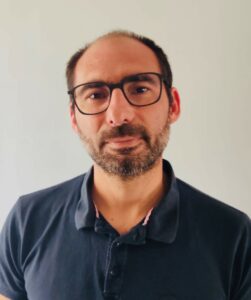
Dr. Rémi Pradelles, Ph.D. in Life Sciences, is a recognized expert in microalgae production and the development of bioactive ingredients, with over 15 years of experience in the field. His work has contributed to advancing the understanding and application of microalgae-derived compounds, leading to several scientific publications and patents on innovative solutions and applications. His expertise spans from bioprocess optimization to the identification and characterization of high-value bioactives for health and wellness. As Director of Innovation at Microphyt, Dr. Pradelles oversees the development of a cutting edge product portfolio for nutritional and cosmetic applications. He plays a central role in defining the scientific and technological strategies that drive innovation, ensuring the development of natural, sustainable, and clinically supported ingredients. Committed to scientific excellence, Dr. Pradelles actively engages with the research community and has contributed to international conferences, presenting groundbreaking work on the potential of microalgaebased bioactives. He has notably spoken at several international conferences such as the Plant Based Summit, the International Symposium of the French Society of Cosmetology, and the Days of the French Society for the Study of Lipids, where he shared insights into the role of microalgae-derived compounds in nutrition and cosmetics. His leadership and expertise continue to shape the future of microalgae based solutions for human well-being.
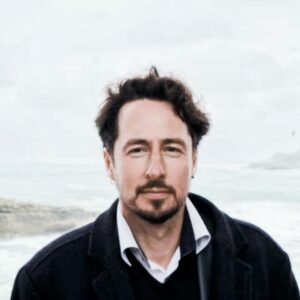
I am a trained biologist from CY Cergy Paris Université and an environmental engineer.
My academic career began at the ERRMECe laboratory (CY Cergy Paris Université) under the supervision of Prof. O. Gallet, in collaboration with Genodics, where I worked on acoustic biotechnology applied to plant growth under water stress conditions.
I then joined the CNRS laboratory in Mulhouse, where we published an innovative study on monitoring live-cell and bacterial interactions on titanium implant surfaces using confocal microscopy.
After this, joining a new collaboration between ERRMECe and Genodics, we published a breakthrough study investigating the effects of specific sound sequences on plant resistance to drought stress.
Since then, I have been Head of R&D at Genodics, where we develop research projects and operational applications in acoustic biotechnology for agriculture, in collaboration with academic and industrial partners.
César Rodriguez is a PhD student in biochemistry at Université Claude Bernard Lyon 1 – ISARA. His work focuses on exploring the potential of spectroscopic methods to monitor biological and chemical parameters in E. coli bioreactor cultures. His PhD is part of the i-Demo “Smart Industrialization of Biotechnology” (SMARTIB) project, led by a consortium of industrials partners – Adisseo, Naturamole, Axel’One and Inevo – with whom he actively collaborates. In 2023, César obtained his Master’s degree in Applied Microbiology and Biological Engineering from Paris-Saclay University. He completed his final internship at the R&D Center of International Flavors & Fragrances (IFF) – Danisco in Dangé-Saint-Romain. As part of the Tech Strategy team at IFF, he studied and implemented high-throughput analytical methods for the selection of acidifying and texturing lactic acid bacteria strains.
Francesco ROPPO, BSc in Biotechnology (University of Bari) and MSc in Biorefinery and Bioeconomy (European Master BIOREF). Currently PhD student in agronomy and metabolic engineering at the interface between University of Lille and University of Liège. Involved in studying B. subtilis metabolism for improving the conversion of lignocellulosic biomass into specialized metabolites. My main domain of research lies at the intersection of bioinformatic and microbial biotechnology for sustainable bio-based production systems.
With over 25 years of experience in Industrial Biotechnology, I have a proven track record of scaling innovative processes from the laboratory to large-scale industrial production. Currently serving as the Director of the Biotechnology Department at ARD in Reims, I lead a multidisciplinary team of 30 specialists focused on fermentation and Downstream Processing (DSP). In this role, I oversee the execution of more than 20 high-stakes projects annually, bridging the gap between lab-scale research and industrial demonstration. These projects have successfully led to multiple industrial implementations, ranging from custom manufacturing (CMO) at ARD to full-scale production at client sites or third-party facilities.
Dr. Ravinder Sharma is a Food Technologist in the Global Research & Technology division at Tetra Pak, holding a PhD in Molecular Biology and Biochemistry. He has ~20 years of experience in the development and optimization of recombinant protein production processes using Escherichia coli and Pichia pastoris (Komagataella phaffii).
He leads long-term R&D initiatives within the ‘’Biotech for Food’’ platform, focusing on sustainable and scalable bioprocess solutions for food proteins for New Food. His work integrates technology scouting with the translation of scientific innovations into robust experimental strategies, platform roadmaps, and value-driven industrial bioprocess concepts.
Dr. Sharma is also driving EU-funded consortium projects, where Tetra Pak serves as a scale-up industry partner, collaborating with academic and industrial stakeholders to advance innovative biotechnological solutions for the future of food.
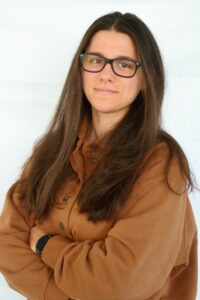
Caroline S. is a biochemical engineer with expertise in AI-driven process optimization and digitalization. A graduate of ECPM Strasbourg, she combines a strong multidisciplinary foundation in chemistry and materials science with hands-on experience in machine learning and autonomous systems. During a research internship at the University of Bristol, she worked on autonomous chemical synthesis using Bayesian optimization on robotic platforms such as ChemSpeed. At ATV Technologies, she develops data-driven solutions for process monitoring, drift detection, predictive modeling, and digital twins in industrial biotech.
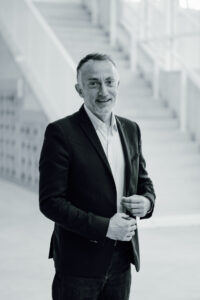
Etienne Vervaecke has served as Chief Executive Officer of Eurasanté, the healthcare and nutrition innovation accelerator of the Hauts-de-France region, since 2000. He also leads Clubster NSL, the regional network dedicated to healthcare, nutrition, and longevity innovation.
Over the past two decades, he has been instrumental in developing the Hauts-de-France healthcare and nutrition ecosystem, helping to attract investment while fostering business creation and job growth across the region.
Under his leadership, Eurasanté has expanded its support for entrepreneurship and innovation, notably through the development of the Bio-Incubator & Bio-Accelerator Eurasanté, recognized among Europe’s leading biotech incubators. Since its creation, the program has supported more than 400 innovation projects, contributed to the creation of 270 companies, and helped generate over 1,300 jobs
Etienne Vervaecke has also contributed to the growth of Parc Eurasanté, a major innovation campus located alongside Lille University Hospital (CHU de Lille), helping position the Lille metropolitan area as a recognized European hub for healthcare innovation, research, entrepreneurship, and industry collaboration bringing together 200 companies and 3,800 employees alongside Lille University Hospital (CHU de Lille).
A passionate advocate for innovation-driven economic development, Etienne Vervaecke continues to play a key role in strengthening the international profile of the Hauts-de-France region as a leading center for healthcare and nutrition innovation.
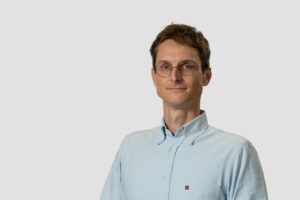
Dr. Moritz von Stosch is a thought leader in digital bioprocess development and operation. He was the Chief Innovation Officer at DataHow AG, developing novel approaches for accelerated process development. Prior to joining DataHow, Moritz led the Process Systems Biology & Engineering Centre of Excellence at GSK Vaccines, for which he received an Innovation Performance and Trust award. He lectured at Newcastle University (England), holds a PhD in Biochemical Engineering from University of Porto (Portugal) and received a Dipl.Ing. in Chemical Engineering from RWTH Aachen University (Germany). Currently, Moritz is confounding a VC company called HINA bioventures.